Quilt frames can feel like a luxury, or they can feel like a necessity. Your sewing machine deserves the right partner for smooth, frustration free quilting. And finding that perfect match transforms your entire workflow. Let’s explore five top contenders that deliver compatibility, stability, and genuine ease.
| Cutie Breeze Table Top Hoop Quilting Frame |  | Best Beginner Option | Machine Compatibility: Most domestic machines with 8+ inch throat; up to 19-inch long arm | Frame Type: Table top hoop frame | Weight: 19 pounds | VIEW LATEST PRICE | Read Our Analysis |
| Table Top Hoop Quilting Frames for Domestic Machines |  | Best Compact Choice | Machine Compatibility: Most domestic machines with 8-13 inch throat | Frame Type: Table top hoop frame | Weight: 19 pounds | VIEW LATEST PRICE | Read Our Analysis |
| Grace 16X Elite Longarm Quilting Machine & Q-Zone Queen 8 ft Frame | 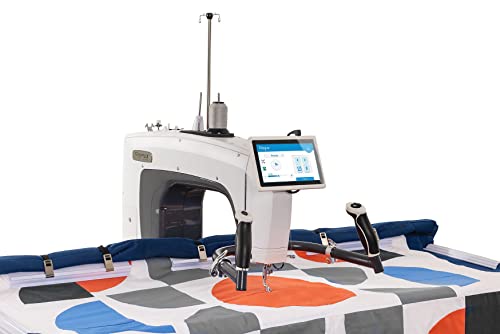 | Professional Upgrade | Machine Compatibility: Dedicated Grace 16X Elite longarm machine | Frame Type: Floor-standing frame system with carriage | Weight: 158 pounds | VIEW LATEST PRICE | Read Our Analysis |
| Flynn Multi-Frame Quilting System |  | Most Versatile Pick | Machine Compatibility: Virtually any home sewing machine | Frame Type: Moving frame system (lap or machine use) | Weight: 3 pounds | VIEW LATEST PRICE | Read Our Analysis |
| Weightless Quilter Frame for Machine Embroidery Quilting |  | Best Space Saver | Machine Compatibility: Traditional, sit-down mid-arm, and sit-down long-arm machines | Frame Type: Floor-standing support frame | Weight: 11 pounds | VIEW LATEST PRICE | Read Our Analysis |
More Details on Our Top Picks
Cutie Breeze Table Top Hoop Quilting Frame
If you’re just starting out with quilting, the Cutie Breeze Table Top Hoop Quilting Frame is a solid entry point. It transforms your domestic machine into a free-motion quilting powerhouse. You’ll need at least an 8-inch throat space, and your feed dogs must disengage. The frame fits machines under 11.5 inches wide, even handling long arms up to 19 inches.
Here’s what you get in the box:
- The Cutie Breeze Frame and carriage
- A machine top plate with handles
- Front, side, and back rail clips
It’s portable at just 19 pounds, so you store it easily when not in use. Rated 4.5 stars from 94 reviews, users love the performance but note the clips take some practice.
- Machine Compatibility:Most domestic machines with 8+ inch throat; up to 19-inch long arm
- Frame Type:Table top hoop frame
- Weight:19 pounds
- Primary Material:Not specified
- Quilt Size Capacity:Not specified
- Setup Assembly Time:Not specified
- Additional Feature:Top plate with handles
- Additional Feature:Front and side rail clips
- Additional Feature:19-pound portable build
Table Top Hoop Quilting Frames for Domestic Machines
For compact quilting on a budget, the Mini Quilter is your compact choice. It’s a table top hoop frame from The Grace Company, built for domestic machines with 8 to 13 inch throats. Weighing just 19 pounds, this lightweight green rectangle measures 29.5 by 27.5 inches. You’ll get a quilting area up to 11 x 15 inches, perfect for small projects. It’s an ideal learning tool for beginners too. You set it up quickly and start quilting right away. The 4.1 star rating from 49 reviews backs its quality. Plus, you get a one year warranty for peace of mind.
- Machine Compatibility:Most domestic machines with 8-13 inch throat
- Frame Type:Table top hoop frame
- Weight:19 pounds
- Primary Material:Plastic
- Quilt Size Capacity:Up to 11 x 15 inches quilting area
- Setup Assembly Time:Quick setup (time not specified)
- Additional Feature:11 x 15-inch quilting area
- Additional Feature:Green rectangular design
- Additional Feature:One-year warranty included
Grace 16X Elite Longarm Quilting Machine & Q-Zone Queen 8 ft Frame
Longarm quilting changes everything, and the Grace 16X Elite with its Q-Zone Queen frame is your professional upgrade into serious craft territory. You’ll love the 16-inch throat space for large patterns, while the 7-inch touch screen gives you easy navigation and built-in help. The ergonomic handles with two simple buttons reduce fatigue during those long sessions.
But the real magic is the Q-Zone Queen frame. Its steel construction guarantees stability, and the two-rail system with Quilt Clips keeps fabric tension even without rolling. You can configure it for crib or queen sizes. Plus, the smooth carriage delivers precise stitches at up to 2100 stitches per minute! Bright lights and a bobbin estimator keep everything visible and accurate.
- Machine Compatibility:Dedicated Grace 16X Elite longarm machine
- Frame Type:Floor-standing frame system with carriage
- Weight:158 pounds
- Primary Material:Steel
- Quilt Size Capacity:Crib to queen size
- Setup Assembly Time:Not specified
- Additional Feature:7-inch touch screen
- Additional Feature:2100 stitches per minute max
- Additional Feature:Bobbin thread estimator
Flynn Multi-Frame Quilting System
The Flynn Multi-Frame Quilting System is our most versatile pick. You’ll love how it works with virtually any home sewing machine, thanks to its moving frame mechanism. It handles quilts up to 38 inches wide, perfect for wall hangings or honing your skills.
You get two PVC roller pipes, three fiberglass rods, side tension ribbons, and three muslin leaders. The whole setup weighs about 3 pounds and measures roughly 48.4 inches long.
Want a bigger quilt? No problem. Swap those fiberglass rods for metal conduit pipes you can grab at any hardware store. Just transfer the nylon rod ends with a Phillips screwdriver.
Use it as a stationary lap frame or let it move for free-motion quilting. Tension management becomes a breeze!
- Machine Compatibility:Virtually any home sewing machine
- Frame Type:Moving frame system (lap or machine use)
- Weight:3 pounds
- Primary Material:Fiberglass and PVC
- Quilt Size Capacity:Up to 38 inches wide
- Setup Assembly Time:Not specified
- Additional Feature:Adaptable via metal conduit
- Additional Feature:Three muslin leaders included
- Additional Feature:Lap or moving frame use
Weightless Quilter Frame for Machine Embroidery Quilting
If you’re short on floor space but refuse to hang up your quilting dreams, this frame’s your answer. You’ll assemble it in under 10 minutes, no tools needed, then tuck it under your sewing table when you’re done. Its 36-inch square footprint disappears completely.
The magic? Eight adjustable flex poles lift your quilt’s bulk off your machine bed, so you guide the fabric with a free-motion “dance” instead of wrestling it. Choose three lift levels, from lightweight to firm, based on your batting’s puff. Clips hold everything taut while you stitch, whether you’re using a walking foot or regulated free-motion. At just 11 pounds, you’ll move it anywhere.
- Machine Compatibility:Traditional, sit-down mid-arm, and sit-down long-arm machines
- Frame Type:Floor-standing support frame
- Weight:11 pounds
- Primary Material:Sturdy flexible poles (material not specified)
- Quilt Size Capacity:Large projects (no specific dimensions given)
- Setup Assembly Time:Less than 10 minutes, no tools
- Additional Feature:Assembles in under 10 minutes
- Additional Feature:Three levels of lift capacity
- Additional Feature:Patent-protected design
Factors to Consider When Choosing a Quilt Frame for Sewing Machine
Before you commit to a frame, you’ll want to match it against a few non-negotiables that can make or break your quilting groove. Start with machine compatibility, since not every frame fits every brand or throat size, and you don’t want a wobbly mismatch that fights your stitches. Then weigh portability and storage against your space, because a sturdy workhorse that folds flat beats a behemoth that owns your sewing room. Finally, scan the frame size options against your typical quilt dimensions, and check setup complexity, durability, and build quality, since a solid frame that’s quick to assemble will keep you stitching instead of swearing.
Machine Compatibility
While your sewing machine is the star of the show, it’s the quilt frame that has to play nice with it. First, measure your machine’s throat space; you’ll need between 8 and 19 inches, depending on how much fabric you plan to wrangle. Check if your machine’s type, be it domestic or longarm, matches the frame’s design, and confirm its specific dimensions won’t cause a lopsided fit. You also need to disengage those feed dogs for free-motion work, so make sure your machine allows that. Then, cross-check the frame’s width and length against your project size goals. Finally, verify mounting requirements: does your machine sit on a tabletop, a free-standing unit, or a multi-frame system? Match those specs, and you’re golden. Otherwise, you’ll fight your gear instead of quilting.
Portability and Storage
Once you’ve verified that your machine and frame are a perfect match, it’s time to think about where that frame will live when you’re not using it. Portability isn’t just about moving; it’s about your sanity. Lighter models, around 11 to 19 pounds, won’t break your back. Look for foldable or collapsible designs, they tuck away under a bed or in a closet. Measure your storage spot before you commit. Durable materials matter because you’ll likely set this up and tear it down repeatedly. Quick-release latches and tool-free assembly turn a chore into a five-minute task. And don’t forget, a compact footprint means you can have a quilting station in a corner, then reclaim your dining table for dinner. That’s a win.
Frame Size Options
Three key frame size options exist, and choosing the right one boils down to the quilt dimensions you’ll tackle most often. Smaller frames, under 30 inches, are perfect for beginners or tight spaces, letting you practice without overwhelming your room. For bigger projects, you’ll need a larger frame, one that matches your maximum quilt size without cramping your style.
Consider your machine’s throat space too; it must work in harmony with the frame’s span. If you love king size quilts, don’t grab a lap sized frame. Get the larger one, and you’ll breeze through projects without wrestling fabric. Align the frame size with your workspace and typical quilt dimensions, and you’ll enjoy smooth, efficient quilting every time. And that’s the sweet spot for your sewing machine!
Setup Complexity
How much elbow grease will you need to get your new quilt frame up and running? That’s the real question, because nobody wants a weekend-long project just to start stitching. First, check if the frame demands tools for assembly; a simple twist-and-lock system beats a drawer full of Allen wrenches any day. You’ll also want adjustable components, so you can dial in the fit for your specific machine size and quilt dimensions without wrestling with shims. Look for clear, step-by-step tutorials, ideally with photos, that walk you through the process. And here’s a big one: minimal steps to attach and detach your sewing machine. You’ll be swapping projects often, so quick-release clamps or a snap-in platform are lifesavers. Finally, guarantee the frame allows fast reconfigurations, like raising the height for free-motion work, without a full teardown. Keep it simple, and you’ll be quilting in no time!
Durability and Build
Durability and build quality will make or break your quilting experience, so don’t gloss over them. You want a frame that laughs at daily use, not one that buckles after a few projects. Look for steel or fiberglass construction; these materials shrug off the repetitive tension of stitching without warping. Check the joints, because that’s where cheap frames betray you. Reinforced, welded connections keep everything rock-solid, so you won’t chase wobbles mid-quilt. Powder-coated steel resists rust and corrosion, which means your frame survives humid sewing rooms or garage storage without flaking. A sturdy build also handles the fabric’s pull, keeping your layers taut for consistent stitches. So, run your hand along the rails, give the legs a gentle shake, and trust that a heavier, well-braced frame might cost more upfront but saves you from frustrating re-tensioning later.