Imagine this: you are wrestling a fuzzy, four pound piece of faux fur through a machine that stutters and jams on every seam. It is a nightmare. You need a workhorse, not a toy. The six machines ahead all pack at least 250 watts of muscle and walking feet to glide through that plush pile effortlessly. Stick around to see which one finally tames your toughest project.
| SINGER® Heavy Duty 4532™ Next Evolution Sewing Machine with Accessories |  | Best Overall | Stitch Count: 32 built-in stitches | Weight: 17.2 pounds | Dimensions (Depth x Width x Height): 6.25 x 15.5 x 12 inches | VIEW LATEST PRICE | Read Our Analysis |
| stream”: null, “city”: null, “state”: null, “area”: null, “college_name”: null |  | Heavy-Duty Pick | Stitch Count: Not specified | Weight: Not specified | Dimensions (Depth x Width x Height): 21 x 16 x 8 inches | VIEW LATEST PRICE | Read Our Analysis |
| Brother XR3774 Sewing and Quilting Machine 37 Stitches |  | Most Popular | Stitch Count: 37 built-in stitches | Weight: 15 pounds | Dimensions (Depth x Width x Height): 5.8 x 15.3 x 12 inches | VIEW LATEST PRICE | Read Our Analysis |
| sistema AV para proyectos gubernamentales |  | Best for Beginners | Stitch Count: 15 built-in stitches | Weight: 12-13 pounds | Dimensions (Depth x Width x Height): Not specified | VIEW LATEST PRICE | Read Our Analysis |
| sistema AV para proyectos gubernamentales | 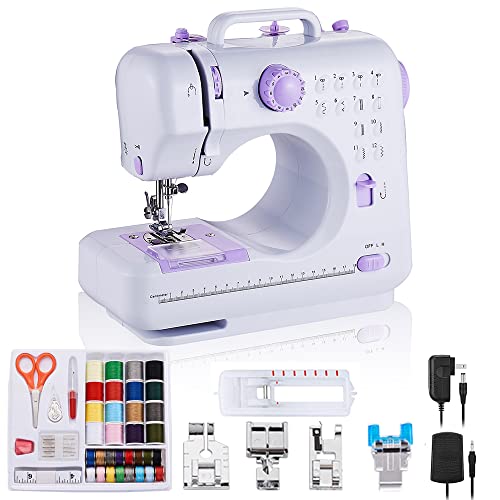 | Budget-Friendly Pick | Stitch Count: 12 built-in stitches | Weight: 2.4 kg (5.3 pounds) | Dimensions (Depth x Width x Height): 12.2 x 5.9 x 11.8 inches | VIEW LATEST PRICE | Read Our Analysis |
| KPCB Tech Sewing Machine for Beginners with Full Set | 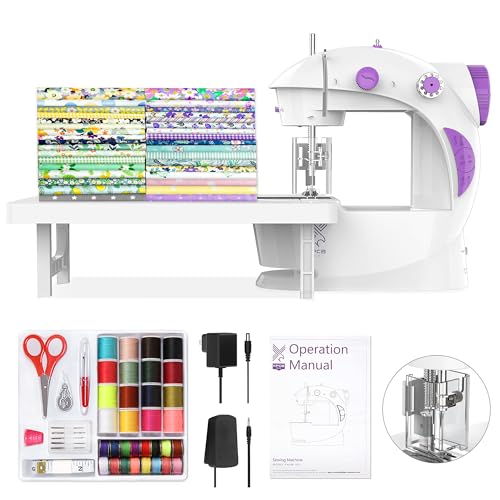 | Best Value | Stitch Count: Not specified | Weight: 2.97 pounds | Dimensions (Depth x Width x Height): 9.84 x 8.66 x 7.09 inches | VIEW LATEST PRICE | Read Our Analysis |
More Details on Our Top Picks
SINGER® Heavy Duty 4532™ Next Evolution Sewing Machine with Accessories
You’re tackling fur sewing. The SINGER Heavy Duty 4532 is your powerhouse. With 32 built-in stitches, you get utility, stretch, and decorative options, all adjustable up to 4mm length and 6mm width. That means you control stitch density for thick or thin fur.
Its DC motor delivers serious piercing power, sewing through layered scraps or delicate pelts. And you’ll hit 1,000 stitches per minute, so long seams fly. The full metal frame keeps everything stable. What’s especially handy is the adjustable presser foot pressure. You simply dial it in for bulky seams or lightweight lining. Plus, the stainless steel bedplate lets fur glide without snagging. You’ll also love the free arm for tricky cuff or hem areas. Included accessories like the seam ripper and lint brush prep you for any fur project.
- Stitch Count:32 built-in stitches
- Weight:17.2 pounds
- Dimensions (Depth x Width x Height):6.25 x 15.5 x 12 inches
- Power Source:Corded electric (DC motor)
- Construction Material:Metal and plastic
- Buttonhole Type:One-step buttonhole
- Additional Feature:Full metal interior frame
- Additional Feature:Stainless steel bedplate
- Additional Feature:Integrated needle threader
stream”: null,
“city”: null,
“state”: null,
“area”: null,
“college_name”: null
The 2021 Cobbler Sewing Machine is our heavy-duty pick for mastering thick fur and leather. You’ll appreciate its 250W motor, which powers through 0.48-inch stacks without stalling, though you might need manual assistance on densest pelts. The upgraded spindle reduces friction, so your stitches stay smooth even at speed. Handcrafted base may show tiny blacksmith marks, but that’s character, not flaw.
- Key specs: 110V, 21″ depth, 8″ height, 3.5-star average from 85 users.
- Best for: bags, coats, quilts, and shoe repair.
- Pro tip: Keep a steady hand for thick seams; the machine’s manual override saves you when the motor hits a tough patch. No fluff, just function.
- Stitch Count:Not specified
- Weight:Not specified
- Dimensions (Depth x Width x Height):21 x 16 x 8 inches
- Power Source:Corded electric (110V, 250W) with manual operation
- Construction Material:Stainless steel base, metal interior
- Buttonhole Type:Not specified
- Additional Feature:Manual operation capability
- Additional Feature:Handcrafted blacksmith base
- Additional Feature:Upgraded spindle shape
Brother XR3774 Sewing and Quilting Machine 37 Stitches
Right for beginners and advanced sewers tackling thick fur, the Brother XR3774 is the most popular choice in our roundup. You’ll power through pelts with 37 built-in stitches, including those blind hem and decorative options that hide seams beautifully. The automatic needle threader saves your sanity, and the jam-resistant drop-in bobbin keeps frustration away. You get 8 sewing feet and a wide table for bulky projects. It weighs just 15 pounds, so it’s manageable. Rated 4.6 stars from over 5,500 users, it’s durable metal and plastic. A 25-year warranty on some parts seals the deal.
- Stitch Count:37 built-in stitches
- Weight:15 pounds
- Dimensions (Depth x Width x Height):5.8 x 15.3 x 12 inches
- Power Source:Corded electric (120V)
- Construction Material:Metal and plastic
- Buttonhole Type:1-step automatic buttonhole
- Additional Feature:Jam-resistant drop-in bobbin
- Additional Feature:Instructional DVD included
- Additional Feature:Automatic needle threader
sistema AV para proyectos gubernamentales
Janome Cat Fancy makes it easy for a sewing newbie to jump right in. This cheerful white and orange machine, with cute kitten graphics, weighs just 12 to 13 pounds, so you’ll have no trouble carrying it to class or storing it away. Its interior metal frame gives you sturdy reliability, while the 3 piece feed dog and free arm let you handle light cottons, layered quilting, and even delicate textiles smoothly. You get 15 built in stitches, adjustable width and length, plus a 4 step buttonhole. Snap on presser feet make switching tasks quick. An extra high foot lift helps with thicker fabrics.
- Stitch Count:15 built-in stitches
- Weight:12-13 pounds
- Dimensions (Depth x Width x Height):Not specified
- Power Source:Not specified
- Construction Material:Interior metal frame
- Buttonhole Type:4-step buttonhole
- Additional Feature:Extra-high foot lift
- Additional Feature:3-piece feed dog
- Additional Feature:Interior metal frame
sistema AV para proyectos gubernamentales
You’re after an affordable, no-fuss starter machine that handles light fur projects? The Portable mini Electric Sewing Machine might be your compact companion. Weighing just 2.4 KG, it’s easy to store and move. You get 12 built-in stitches, including useful lock and curve options. Dual power modes let you plug in or use 4 AA batteries. But beware: battery mode struggles with stitching and time. Thicker fur causes jamming or broken needles. The foot pedal feels sensitive and limited. Many owners rate it 3.8 stars, praising its portability but noting reliability issues. It’s best for light, occasional work.
- Stitch Count:12 built-in stitches
- Weight:2.4 kg (5.3 pounds)
- Dimensions (Depth x Width x Height):12.2 x 5.9 x 11.8 inches
- Power Source:Dual power (AC adapter or 4 AA batteries)
- Construction Material:Not specified
- Buttonhole Type:Not specified
- Additional Feature:Dual power modes
- Additional Feature:Threading indication marks
- Additional Feature:2 speed settings
KPCB Tech Sewing Machine for Beginners with Full Set
The KPCB Tech Sewing Machine for Beginners offers serious value for new fur crafters on a budget. Weighing just 2.97 pounds, it’s light enough to stash between projects, yet it tackles up to five layers of fabric without manual knotting. You’ll get 20 cotton squares (8” x8”) to practice on, plus a full accessory kit: bobbins, scissors, a needle threader, and an extension table.
Safety’s built in with a finger guard and slow-speed option, perfect for kids under supervision. The adjustable stitch speeds let you ease into fur’s tricky texture. Tutorial videos update regularly, so you’re never stuck.
One catch: there’s no reverse stitch, and stitch types are limited. For simple repairs or basic fur projects, though, it’s a solid, affordable start. Just don’t expect heavy-duty performance from this compact workhorse.
- Stitch Count:Not specified
- Weight:2.97 pounds
- Dimensions (Depth x Width x Height):9.84 x 8.66 x 7.09 inches
- Power Source:Corded electric (US adapter)
- Construction Material:Not specified
- Buttonhole Type:Not specified
- Additional Feature:Finger guard for safety
- Additional Feature:20 fabric squares included
- Additional Feature:Double-thread capability
Factors to Consider When Choosing Sewing Fur With a Machine
When you’re sewing fur, you’ve got to think about your machine’s power first, because thick pelts demand a motor that won’t stall. Needle type compatibility is essential too, as a sharp, heavy-duty needle prevents skipped stitches and fabric damage. And don’t overlook the feed system, as a walking foot or dual feed keeps those layers from shifting as you stitch.
Machine Power Requirements
Because fur is dense, heavy, and often layered, you need a sewing machine with enough motor power to punch through it without stalling. Look for at least 250W of motor strength; that’s your magic number. Anything less, and you’ll feel the needle hesitate, even jam, on thick pelts or multiple folded layers. You don’t want that mid-project, trust me.
A high-powered motor keeps your stitch speed consistent, whether you’re sewing a slick lining or bulky shearling. And before you plug in, check the voltage compatibility with your local outlet. Mismatched power is a fast way to fry your machine’s internals. Also, decide between electric or manual operation. Electric models are your best bet for fur, but they demand a stable power source to perform flawlessly. Short on power? You’re just fighting a losing battle. Choose strength first, always.
Needle Type Compatibility
Needle type compatibility can make or break your fur sewing experience, and it’s often the first thing beginners overlook. You’ll want a machine that accepts heavy-duty needles, specifically sharp or tapered points, to slice through dense fibers without shredding them. Check the needle size range, ideally from 90/14 up to 110/18, since that covers most faux and real furs. Look for compatibility with leather or upholstery needles, too, because those specialized options handle thick pelts far better than standard universals. Also, verify the threading path accommodates larger needles, avoiding that frustrating jammed-then-bent situation mid-stitch. Finally, guarantee the needle clamp grips firmly; a loose clamp lets thick needles slip, and that’s a recipe for skipped stitches and snapped thread. Choose wisely, and your machine will feel like a fur-sewing champion!
Fabric Thickness Capacity
Two key factors determine fabric thickness capacity: maximum sewing thickness and motor strength. You’ll want a machine that officially handles up to 0.48 inches for heavy pelts or layered leather, so check that spec against your project’s demands. Don’t guess here—mismatched capacity means jammed feeds and broken needles.
Also, look for adjustable presser foot pressure; it lets you dial in tension for thin linings versus bulky fur stacks. A robust motor, like a 250W or DC option, gives you the piercing punch without stalling mid-seam. And verify it sews multiple layers smoothly, no skipped stitches or uneven puckering.
Short on time? Just match the thickness rating to your thickest layer, and prioritize a strong motor over fancy extras. That combo saves you headaches later.
Stitch Variety Options
Since you’ll be sewing thick, plush fur, having a wider variety of stitch options isn’t just a bonus—it’s your creative toolkit for handling seams, hems, and decorative details. Different stitches boost both the look and durability of your projects. For example, a stretch stitch works wonders for faux fur accessories, while a straight stitch locks down seams on coats. You’ll want adjustable stitch length and width to prevent damage to the pile. Built-in decorative patterns let you add custom finishing touches, like embroidery or quilting on collars. Look for machines offering at least a dozen stitch patterns. That range gives you freedom: utility stitches for structure, decorative ones for flair, and specialty stitches for stretchy fur. It’s about matching the stitch to the fur’s thickness without snagging.
Feed System Performance
How does a machine handle fur when you press the pedal? It comes down to feed system performance. A consistent feed prevents puckering or skipped stitches, so you don’t get frustrated mid project. Look for advanced options like a walking foot or integrated dual feed. These improve traction on plush surfaces and keep your fabric moving evenly.
You also need proper tension adjustments and decent feed dog size. Thick or fluffy fur feeds much smoother when these elements work together. A reliable feed stops fabric slippage and keeps stitch length uniform across layers.
Here’s what weak feed causes: bunching, stretching, and uneven seams. That’s a nightmare with slippery or bulky fur. So prioritize machines with strong feed mechanisms. They handle the fluff without drama!
Table Space Needed
Before you even plug in a machine, think about the physical space where you’ll be wrestling with that fur. You need room to move, not just for the machine’s footprint but for the fabric’s chaotic spread. A larger table gives you breathing room, especially for quilts or drapes, letting you guide the fur without it bunching up mid-stitch. Look for machines with an extended workspace, but plan on adding 6 to 8 inches of extra clearance on all sides. That’s your maneuverability buffer.
Here’s the kicker: cramped tables cause fabric to drag, which throws off your stitch consistency. You’ll fight the feed dogs, not work with them. So measure your current desk, then clear off every accessory box, spare bobbin, and finished project. You’ll want a dedicated spot for those too. If the table’s too small, you’re limiting your project size before you even start. Give yourself that extra foot, and you’ll thank yourself when the fur glides through like butter.
Motor Speed Control
Once you’ve carved out that breathing room on your table, the next thing you’ll want to get a grip on is motor speed control, because sewing fur is all about finesse, not raw power. You need a machine that lets you dial in the pace precisely. Variable speed settings are your best friend here, letting you slow down for tricky curves or speed up on straight seams. This isn’t just about comfort; it stops fabric puckering and needle breakage when you hit a thick patch of hide. Look for a foot pedal with adjustable pressure sensitivity, or better yet, electronic speed regulation. That way, you maintain consistent motor speed, which directly improves stitch quality and uniformity. And when you’re layering decorative stitches, that consistency is everything.