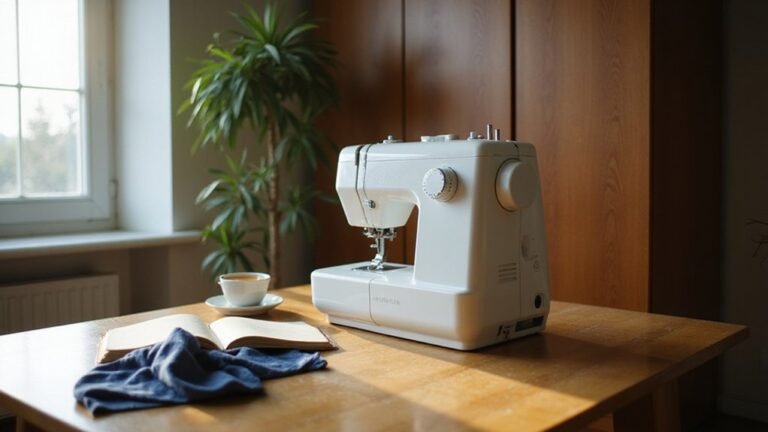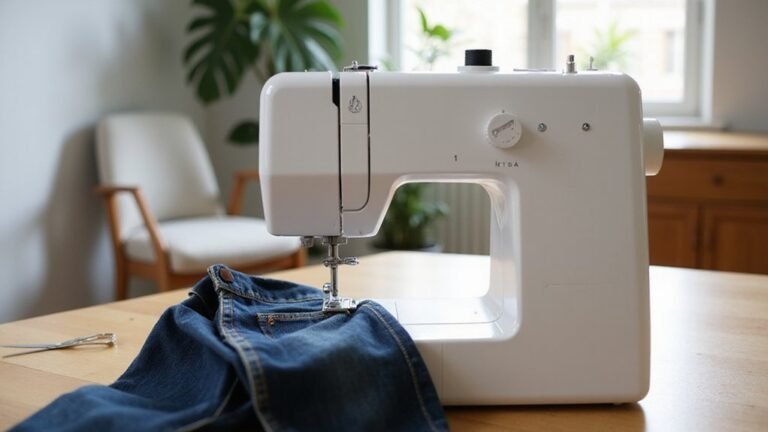
Nearly 70% of sewists say portability makes or breaks their sewing space. And that’s where a good machine cover comes in. You need a model that protects your investment while stitching smoothly. Let’s look at three that actually deliver on both promises, starting with the Brother that packs 165 stitches into a lightweight frame you’ll actually want to move.
| stream”: null, “city”: null, “state”: null, “area”: null, “college_name”: null |  | Best for Beginners | Built-in Stitches: 27 stitches | Automatic Needle Threader: Yes | Bobbin Type: Jam-resistant drop-in top bobbin | VIEW LATEST PRICE | Read Our Analysis |
| Brother Computerized Sewing Machine 165 Stitches |  | Most Versatile | Built-in Stitches: 165 stitches | Automatic Needle Threader: Yes | Bobbin Type: Drop-in top bobbin | VIEW LATEST PRICE | Read Our Analysis |
| stream”: null, “city”: null, “state”: null, “area”: null, “college_name”: null |  | Quilter’s Choice | Built-in Stitches: 100 stitches | Automatic Needle Threader: Yes | Bobbin Type: Jam-proof drop-in bobbin | VIEW LATEST PRICE | Read Our Analysis |
More Details on Our Top Picks
stream”: null,
“city”: null,
“state”: null,
“area”: null,
“college_name”: null
The Brother XM2701 is squarely aimed at sewing newcomers. You get 27 built-in stitches including decorative, blind hem, zigzag, and stretch options. An automatic needle threader saves you from squinting. The jam-resistant drop-in top bobbin winds easily with its built-in system. You’ll love the free arm for cuffs and sleeves. It comes with six sewing feet: buttonhole, zipper, zigzag, narrow hemmer, blind stitch, and button sewing feet. Plus, there’s a twin needle, four bobbins, and an instructional DVD. At just 12.6 pounds, it’s lightweight and portable. You’re backed by a 25-year limited warranty.
- Built-in Stitches:27 stitches
- Automatic Needle Threader:Yes
- Bobbin Type:Jam-resistant drop-in top bobbin
- Free Arm Capability:Yes
- Warranty Length (Mechanical Parts):25-year limited
- Weight:12.6 pounds
- Additional Feature:27 built-in stitches
- Additional Feature:Includes instructional DVD
- Additional Feature:6 sewing feet included
Brother Computerized Sewing Machine 165 Stitches
You want a machine that grows with your skills, and this Brother model is the most versatile choice for beginners and hobbyists alike. Its 165 built-in stitches, including 55 alphanumeric options, let you move from mending to monogramming without missing a beat. The large LCD display makes selecting settings a breeze, while the automatic needle threader saves your eyes and patience. You’ll appreciate the drop-in top bobbin’s jam resistance, plus the free arm for cuffs and sleeves. Here’s what you get:
- 8 quick-change presser feet (zigzag, buttonhole, zipper, button sewing, overcasting, blind stitch, monogramming, quilting)
- Wide table and protective hard case for easy transport
- 8 auto-size buttonholes, so you’ll nail perfect sizing every time
At 10.1 pounds, it’s light enough to carry to class, yet sturdy enough for everyday projects. Drop the feed dogs for free-motion quilting, and you’ll wonder why you didn’t upgrade sooner. Rated 4.6 stars from over 4,200 users, it’s a quiet, dependable workhorse. Just watch the DVD for setup, and you’re stitching in minutes. It’s not heavy-duty, but for garments and quilts, it’s your new best friend.
- Built-in Stitches:165 stitches
- Automatic Needle Threader:Yes
- Bobbin Type:Drop-in top bobbin
- Free Arm Capability:Yes
- Warranty Length (Mechanical Parts):25-year limited
- Weight:10.1 pounds
- Additional Feature:Large LCD display
- Additional Feature:Wide table included
- Additional Feature:Protective hard case
stream”: null,
“city”: null,
“state”: null,
“area”: null,
“college_name”: null
If you’re diving into quilting or tackling big projects, the Janome JW8100 is your quilter’s choice. It packs 100 built-in stitches and 7 one-step buttonholes, all managed through a backlit LCD screen and intuitive buttons. You’ll love the start/stop button, speed control slider, and needle up/down for precise control. The 7-piece feed dog system handles layers without shifting or puckering, perfect for cotton, knits, and quilting fabrics.
Your bonus accessories include an extra-wide extension table, even feed foot, and hard cover for dust protection. Plus, the automatic threader and jam-proof drop-in bobbin reduce setup time. It’s lightweight at 12 pounds, with a 25-year mechanical warranty. You get quilting power without the fuss!
- Built-in Stitches:100 stitches
- Automatic Needle Threader:Yes
- Bobbin Type:Jam-proof drop-in bobbin
- Free Arm Capability:Yes
- Warranty Length (Mechanical Parts):25-year limited
- Weight:12 pounds
- Additional Feature:Backlit LCD screen
- Additional Feature:Extension table included
- Additional Feature:7-piece feed dog system
Factors to Consider When Choosing a Sewing Machine With Cover
When you’re picking a sewing machine with a cover, focus on its size and weight to guarantee it fits your workspace and is easy to move. You’ll also want a solid built-in stitch variety, since that saves you from constantly swapping presser feet for basic projects. And don’t overlook the accessory set, ease of threading, and overall machine durability, because those details directly affect how smoothly you’ll sew.
Size and Weight
Size and weight are the first decisions to make because they shape every other aspect of how you’ll use your machine, from where you store it to how often you actually pull it out. You’ll want a lighter model, say under 12 pounds, if you’re toting it to classes or tucking it into a closet between sessions. Heavier machines, often tipping 20 pounds or more, stay put on your table, and that stability means fewer skipped stitches and less wobble during thick fabric runs. Compact dimensions, around 16 by 7 inches, fit tight desks, but don’t sacrifice base width for a tiny footprint. Ask yourself: Will you sew for hours? Then a solid 15-pound base reduces vibration, making every pass smoother. If you’re short on space and strength, skip the beast and grab a featherweight. You’ll trade a bit of heft for pure convenience, and that trade’s often worth it.
Built-In Stitch Variety
Once you’ve squared away the machine’s weight and footprint, the next big thing to look at is what’s actually built into the head: the stitch library. Don’t settle for a bare-bones straight stitch; you’ll want a robust menu that flexes with your projects. Look for a mix of utility, stretch, and decorative options, because that trio covers everything from mending denim to adding flair to a hem. And here’s the kicker: more stitches, say 100 or 165 versus a paltry 30, directly translates to more creative freedom without reaching for extra feet or fiddly attachments.
You’ll also appreciate auto-size buttonholes tucked right into the selector. They save you from measuring and guessing, spitting out consistent, professional loops every time. Plus, a diverse stitch bank means you’re less likely to swap accessories mid-project; you’ll simply dial in the exact stitch you need and go. That’s versatility you’ll feel with every seam you sew.
Accessory Set Included
And while the stitch library sets the creative tone, the accessory set is what really outfits you for the long haul straight out of the box. You’ll want a thorough kit that includes various presser feet, bobbins, needles, and an extension table. This eliminates the need for separate purchases, saving you time and money. Specialized extras like a quilting foot or automatic buttonhole foot instantly open up advanced techniques. Let’s see what you should check:
- Presser feet count: Look for at least eight. More means more versatility without extra cost.
- Included bobbins: At least three to start. Prewound ones are a bonus.
- Extension table: A must for larger projects like quilts or curtains.
A well-equipped set smooths your workflow and delivers better results from day one. Don’t let a threadbare accessory bundle slow you down!
Ease of Threading
If threading a needle feels like a tiny torture test, you’re not alone—and you don’t have to put up with it. Look for an automatic needle threader that guides the thread through the eye with minimal effort. You’ll also want a jam resistant drop in top bobbin; it makes rethreading the bobbin compartment quick and hassle free. Clear, colored threading diagrams on the machine help you avoid confusion. A front loading or removable bobbin system gives you easier access than traditional bottom loading ones. And don’t overlook easy to use tension adjustment features. They help maintain proper thread tension, reducing the need for frequent rethreading due to breakage or puckering. These features turn a frustrating chore into a smooth, simple step.
Machine Durability
Since you want a machine that stays reliable for years, not months, construction materials and internal build quality matter most. Look for metal frame components; plastic bodies wear down fast under regular use. Heavy duty machines reinforce stress points and pack robust internal mechanisms to resist breakage. A thorough warranty, like a 25 year limited one, signals the maker’s confidence in durability.
But you still have to do your part. Remove dust and lint from the bobbin area and feed dog regularly, or performance suffers. User replaceable parts, such as belts, needles, and gears, let you make easy repairs that extend the machine’s lifespan notably. Don’t underestimate that: swapping a worn belt is far cheaper than buying a whole new machine. Prioritize those sturdy guts and simple upkeep.
Portability Features
A sturdy machine that’ll last for decades doesn’t help much if you can’t easily take it to a class, a friend’s house, or even just from the closet to the dining table. So, prioritize weight: look for machines under 15 pounds. That’s your sweet spot for true portability.
Next, check for a built in handle or an ergonomic grip. You don’t want to wrestle a boxy lump down the stairs. Compact dimensions are key too, making it a snap to stash in a carrying case or a tight closet.
Finally, choose a model with minimal setup fuss. A machine that unfolds and threads quickly means you’re stitching in minutes, not fumbling. And don’t forget sturdy construction, it must survive frequent moves without rattling loose.
Warranty Coverage Length
Two years is the bare minimum you should accept, but honestly, aim for a decade or more when you’re weighing warranty coverage length. A 25 year warranty isn’t just a number; it signals serious manufacturer confidence and a higher quality machine. You want coverage that includes both parts and labor, so you don’t get stuck paying for a repair six years in. And don’t just glance at the length. Dig into the fine print, because some warranties are limited, excluding key components or requiring you to foot the shipping bill. A generous warranty protects your investment and grants free technical support if something goes wrong. For example, a ten year parts and labor plan gives you substantial peace of mind, ensuring your cover stays snug and your stitching stays smooth for the long haul.
Noise Level Operation
Now that you’ve locked down a solid warranty, let’s talk about something you’ll notice every single time you sit down to sew: noise level. A quieter machine hums below 60 dB, perfect for shared spaces or late-night stitching. But noise isn’t fixed; thicker fabrics can rev things up, while adjustable speed controls let you slow down for a quieter ride.
Look for sound-dampening casing or optimized motor placement, both key features that hush the clatter. Machine reviews often highlight noise, so skim for mentions of “whisper-quiet” operation, especially if you’re a hobbyist or work in a dorm room.
- Keep decibel levels in mind, aiming for under 60 dB.
- Prioritize models with speed control for on-the-fly noise management.
A peaceful machine makes every project more enjoyable, trust us.