Funny how a machine with all the bells and whistles can still leave you hunting for a basic zipper foot. You don’t want that. These four sewing machines actually include the presser feet, bobbins, and seam rippers you’ll reach for again and again, so you can start stitching right out of the box. Let’s see which bundle gives you the most bang for your buck.
| Brother XM3700 Sewing Machine 37 Built-in Stitches |  | Best for Beginners | Built-in Stitches: 37 | Included Presser Feet: 5 feet | Needle Threader: Automatic | VIEW LATEST PRICE | Read Our Analysis |
| SINGER® 4452 Holiday Bundle Heavy Duty Sewing Machine + Accessory Kit | 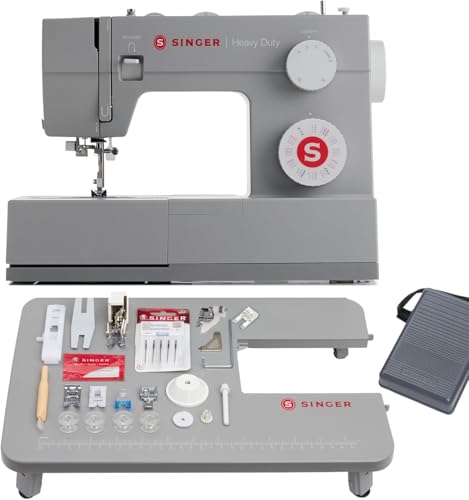 | Heavy Duty Champion | Built-in Stitches: 32 | Included Presser Feet: 8 feet (6 standard + 2 bonus) | Needle Threader: Built-in | VIEW LATEST PRICE | Read Our Analysis |
| Brother 1034D Serger Overlock Sewing Machine |  | Serger Specialist | Built-in Stitches: 4-thread/3-thread overlock options | Included Presser Feet: 3 snap-on feet | Needle Threader: Not specified | VIEW LATEST PRICE | Read Our Analysis |
| Brother XM2701 Lightweight Sewing Machine 27 Stitches |  | Best Value | Built-in Stitches: 27 | Included Presser Feet: 6 feet | Needle Threader: Automatic | VIEW LATEST PRICE | Read Our Analysis |
More Details on Our Top Picks
Brother XM3700 Sewing Machine 37 Built-in Stitches
If you’re just starting your sewing journey, the Brother XM3700 is a solid choice. It’s lightweight at 12.5 pounds and measures about 15 inches deep, so you can easily move it around. You get 37 built-in stitches for garment construction, quilting, or decorative projects. Plus, the one-step auto-size buttonhole and automatic needle threader save you time and frustration.
Here’s what comes in the accessory pouch:
- Five feet: zigzag, zipper, blind stitch, buttonhole, and button sewing
- A twin needle and a three-piece needle set
- Four bobbins
And you can flip the free arm to tackle cuffs or sleeves. Brother backs it with free “At Your Side” support for life.
- Built-in Stitches:37
- Included Presser Feet:5 feet
- Needle Threader:Automatic
- Bobbin Type:Drop-in top
- Weight:12.5 pounds
- Voltage:120 volts
- Additional Feature:One-step auto-size buttonhole
- Additional Feature:Drop-in top bobbin system
- Additional Feature:Versatile free arm conversion
SINGER® 4452 Holiday Bundle Heavy Duty Sewing Machine + Accessory Kit
The SINGER 4452 Holiday Bundle is the best choice if you’re ready to tackle thick fabrics and heavy duty projects without upgrading later. Its powerful motor sews up to 1,100 stitches per minute, easily piercing multiple layers for jeans, upholstery, or quilts. You get a full metal frame for stability, a stainless steel bed plate, and a bright LED light.
Here’s what’s included:
- Six specialty presser feet including an Even Feed/Walking Foot and a Non-Stick Foot for tricky materials.
- Bonus feet like Blind Hem and Open Toe for professional finishes.
- Complete accessory kit with extra bobbins, needles, seam ripper, and edge guide.
With 32 built-in stitches, adjustable length and width, and a jam-proof drop-in bobbin, you can customize everything. The built-in needle threader saves time, and the large extension table supports big projects. Plus, you can adjust presser foot pressure for lightweight fabrics too. It’s a powerhouse, ready for anything you throw at it.
- Built-in Stitches:32
- Included Presser Feet:8 feet (6 standard + 2 bonus)
- Needle Threader:Built-in
- Bobbin Type:Jam-proof top drop-in
- Weight:~13.2 pounds (6 kg)
- Voltage:Not specified
- Additional Feature:Full metal frame construction
- Additional Feature:Up to 1100 stitches per minute
- Additional Feature:Stainless steel bed plate
Brother 1034D Serger Overlock Sewing Machine
You want a serger that specializes in speed and precision without the headache of complicated threading. The Brother 1034D delivers exactly that, stitching up to 1,300 stitches per minute through its durable metal frame. You’ll love the FAST lower looper threading system and color coded guides that make setup a breeze. It weighs just 8 pounds, so moving it around your space is effortless.
Versatile stitch options include:
- 4-thread and 3-thread overlock
- Narrow and rolled hems
- Ribbon lock and more
The differential feed system handles stretchy or thin fabrics like a pro, preventing puckering. You get three snap on presser feet, four spools of thread, and a cleaning brush. Plus, the removable trim trap keeps maintenance simple. And with a 5 year parts warranty, you’re covered for the long haul.
- Built-in Stitches:4-thread/3-thread overlock options
- Included Presser Feet:3 snap-on feet
- Needle Threader:Not specified
- Bobbin Type:Not specified
- Weight:~8 pounds
- Voltage:120 volts
- Additional Feature:Up to 1300 stitches per minute
- Additional Feature:Differential feed system
- Additional Feature:Convertible free arm/flat bed
Brother XM2701 Lightweight Sewing Machine 27 Stitches
Brother’s XM2701 lightweight machine delivers real value without the usual trade-offs. You get 27 built-in stitches, including decorative, blind hem, zigzag, stretch, and an auto-size buttonhole. Its automatic needle threader saves your eyesight, and the jam-resistant drop-in top bobbin keeps you sewing smoothly. You’ll love the free arm for cuffs and sleeves. Plus, it includes six sewing feet: buttonhole, zipper, zigzag, narrow hemmer, blind stitch, and button sewing. A 25 year warranty backs it up, and Brother’s lifetime technical support has your back. It’s a beginner’s dream, weighing just 12.6 pounds.
- Built-in Stitches:27
- Included Presser Feet:6 feet
- Needle Threader:Automatic
- Bobbin Type:Jam-resistant drop-in top
- Weight:12.6 pounds
- Voltage:Not specified
- Additional Feature:Jam-resistant drop-in bobbin
- Additional Feature:Instructional DVD included
- Additional Feature:Built-in easy bobbin winding
Factors to Consider When Choosing a Sewing Machine With Accessories
You’ll want to start by checking for essential stitch variety so you can handle everything from hems to decorative seams, and don’t overlook the machine’s durability and frame build if you plan on heavy use. An easy threading system saves you major frustration, while the available presser feet you get will directly determine what projects you can tackle right out of the box. And finally, consider the speed and power output, because a faster machine makes repetitive sewing feel effortless without sacrificing control.
Essential Stitch Variety
Because the right stitch can make or break a project, stitch variety is where a sewing machine truly earns its keep. You’ll want a solid lineup of straight, zigzag, and buttonhole stitches at minimum. But don’t stop there. Decorative stitches enable creative freedom, letting you tackle quilting, embroidery, or garment construction without switching machines.
Look for adjustable stitch length and width, too. That customization lets you fine tune for delicate silks or heavy denim. A diverse stitch repertoire means you’re ready for both basic mending and advanced techniques. It’s not about having hundreds of options, but about having the right ones. So when you’re scanning specs, count the built-in stitches and check for stretch stitches. They’ll save you when sewing knits or elastic. Versatility isn’t a luxury, it’s a necessity.
Durability and Frame Build
While a long list of stitches is exciting, a machine’s skeleton is what keeps it honest. You’ll want a full metal frame here; it reduces vibrations and prevents that annoying wobble when you’re sewing through denim or canvas. Plastic frames just can’t handle heavy fabrics over time, so don’t let a low price tag fool you. Look for strong internal gears and a robust motor, because those components dictate how long your machine lasts. Reinforced joints also matter, keeping stitch quality consistent by minimizing misalignments. A lightweight plastic body might be fine for occasional mending, but for regular use, you need a sturdy build that won’t crack under pressure. And remember: a durable machine means fewer headaches down the road.
Ease of Threading System
Threading a sewing machine can feel like a battle against a nest of thread, but a smart threading system turns that chore into a 30-second routine. Look for color-coded guides or arrows that map the path from spool to needle. They visually walk you through each step, so you won’t miss a hook or tension disc. A built-in automatic needle threader is a lifesaver. You just push a lever, and it loops the thread through the eye for you. No squinting, no frustration. Top drop-in bobbin systems with transparent covers let you see your thread supply at a glance. Quick release or snap on components let you swap thread colors faster, without wrestling with tiny screws. A well designed system also reduces tangles and misthreading, which means you’ll get consistent stitch quality from the start. That’s a win for any project.
Available Presser Feet
Once you’ve mastered the threading dance, it’s time to talk about what actually touches your fabric: the presser feet. These specialized attachments boost your machine’s versatility for tasks like zipping, hemming, or appliqué. Most machines include common feet: a zigzag foot, zipper foot, buttonhole foot, blind stitch foot, and button sewing foot. That’s a solid start, but you’ll want more. A walking foot or overcast foot can be bought separately, but check compatibility first. Presser feet depend on your machine’s shank type: low shank, high shank, or snap on. That affects how easily they attach. Choosing a machine with a generous variety of included feet saves you time and improves your stitch quality, especially for complex or decorative work. So, look for a model that either bundles plenty of feet or lets you add specialized ones later.
Speed and Power Output
Speed matters, but don’t get hypnotized by a high stitches-per-minute (SPM) number alone. You need real power to back it up. Look for motor strength or horsepower. That torque determines if your machine sails through denim or stalls on thick layers. A higher SPM is great for big projects, but without power, you’ll just stop.
Consider adjustable speed settings, too. They let you control your pace, perfect for beginners or tricky curves. Machines with strong, high-torque motors handle dense fabrics like upholstery without a hitch.
For heavy duty work, prioritize power over pure speed. A fast, weak machine is useless; a slower, robust one gets the job done right. So, check the motor specs before you decide. That’s where real sewing confidence comes from.
Portability and Weight
So you’ve got the power sorted, now let’s talk about how often you’ll actually want to move your machine. If you’re hauling your setup to a class or stitching in multiple rooms, a lighter model, typically under 15 pounds, will save your back. You’ll appreciate a compact frame and a sturdy carrying handle for those trips. But here’s the trade-off: heavier machines, while a chore to relocate, offer that rock-solid stability that prevents vibrating across your table during dense stitching. Portable machines shine for cramped closets or small apartments where every inch counts. Just remember, if you’re sewing on a flimsy desk, a heavy workhorse might feel steadier, but you’ll curse it when climbing stairs. Ask yourself, honestly: are you a one-spot stitcher or a community-class regular? That answer settles your weight range instantly.
Warranty Coverage Terms
Three key warranty terms deserve your attention before you commit to a machine. First, check the coverage scope. Some warranties only fix mechanical parts, while others include electronic components and accessories. You don’t want a dead motor or a broken presser foot left unprotected. Second, understand what voids coverage. Unauthorized repairs or using the machine outside its guidelines will kill your warranty instantly. That’s a heartbreaker you can avoid by reading the fine print. Third, consider extended service plans. If you sew heavily, an extra year or two of protection pays off quickly.
Need a quick checklist?
- Does it cover electronics and accessories?
- What actions void it?
- Is an extended plan available?
Don’t skip these details. They save you from surprise repair bills later.
Lighting and Work Area
Before you start stitching, take a close look at the lighting. You need bright, shadow-free illumination to avoid eye strain and catch mistakes early. Built-in LED lights are your best bet, casting consistent light directly over your sewing area. That’s essential for detailed work like quilting or embroidery, where every seam and thread tension matters.
But don’t stop there. Check if the light covers the entire work surface uniformly, no dark spots allowed. And adjustable or movable lights are a game changer, letting you tailor the workspace for different projects and fabric types. A well-lit area isn’t a luxury; it directly minimizes errors and helps you monitor seam alignment and fabric layers with ease. So, prioritize lighting that works as hard as you do.