While traditional quilters might spend weeks hand-stitching their designs, you can create stunning quilts in a fraction of the time using your embroidery machine. Modern technology has revolutionized quilting, offering precise stitching and intricate patterns that rival handmade pieces. Whether you’re new to machine quilting or looking to expand your skills, these five projects will transform your crafting experience and help you produce professional-quality quilts that’ll become cherished family heirlooms.
POOLIN EOC06 Computerized Home Embroidery Machine
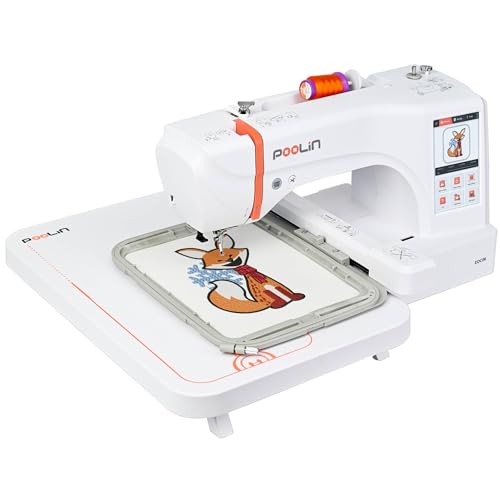

The POOLIN EOC06 Computerized Home Embroidery Machine stands out as an ideal choice for quilting beginners, thanks to its generous 7.9×11-inch embroidery area and user-friendly 7-inch touchscreen interface.
You’ll find 200 built-in designs and 8 fonts to start your quilting journey, plus the ability to import custom designs via USB or wireless connection. The machine comes with four hoops, including two 5.5×5.5-inch options perfect for quilt blocks. While you might encounter occasional bobbin threading challenges, the active online community and dedicated customer support will help you overcome any hurdles. The machine’s high-quality stitching on various fabrics makes it a reliable companion for your quilting projects.
Best For: Beginner quilters and hobbyists seeking a user-friendly computerized embroidery machine with ample workspace and modern connectivity features.
Pros:
- Large 7.9×11-inch embroidery area with multiple hoop sizes included
- Extensive library of 200 built-in designs and wireless/USB connectivity for custom patterns
- Strong customer support and active online community for learning and troubleshooting
Cons:
- Some users report issues with bobbin threading and tension adjustment
- Limited to embroidery only (not a combination sewing/embroidery machine)
- At 35 pounds, the machine is relatively heavy and may be difficult to transport
Brother Computerized Sewing and Quilting Machine

Crafting beautiful quilts becomes remarkably accessible with Brother’s XR9550 computerized sewing and quilting machine. You’ll find 165 built-in stitches, including decorative and heirloom options, perfect for adding unique touches to your quilting projects.
The large LCD display makes selecting your desired stitch pattern effortless, while the drop feed feature enables free motion quilting. You’ll appreciate the included wide table for handling larger quilts and eight specialized presser feet for various techniques. The automatic needle threader and jam-resistant bobbin system streamline your workflow, letting you focus on creativity rather than technical hassles.
Best For: Beginner to intermediate quilters and sewists who want a versatile, computerized machine for home projects and portable use in sewing classes.
Pros:
- Extensive variety of 165 built-in stitches and 8 buttonhole styles for creative flexibility
- User-friendly features including LCD display, automatic needle threader, and jam-resistant bobbin
- Comes with comprehensive accessories including wide table, hard case, and 8 presser feet
Cons:
- Not suitable for heavy-duty or industrial sewing projects
- Limited throat space may restrict quilting of very large projects
- Some users report a learning curve for initial setup and operation
Piece in the Hoop: 20 Quilt Projects + 40 Machine Embroidery Designs

Whether you’re a novice or seasoned quilter, “Piece in the Hoop: 20 Quilt Projects + 40 Machine Embroidery Designs” offers an all-encompassing guide to in-the-hoop machine embroidery techniques. You’ll find autumn farmyard designs and folded fabric blocks, complete with video tutorials on the included DVD.
The book’s clear instructions and extensive visuals will help you tackle projects like ironing pads and pin cushions. You can easily adapt designs for various fabrics, including cotton without adhesive. While you might need to adjust some cutting measurements, the design files are compatible with most embroidery machines and available in multiple formats.
Best For: Quilters and embroidery enthusiasts who want to combine machine embroidery with quilting techniques, particularly those interested in creating in-the-hoop projects and who have access to an embroidery machine.
Pros:
- Comprehensive instructions with visual tutorials and accompanying DVD for better learning
- Multiple compatible formats for design files that work with various embroidery machines
- Versatile projects suitable for different skill levels and adaptable to various fabric types
Cons:
- Some printing errors and unclear instructions in certain sections
- PDF guides not included in book (must be accessed through author’s website)
- Missing printable list of thread colors and fabric requirements per design
Edge-to-Edge Quilting Expansion Pack 5 by Amelie Scott Designs

Quilters seeking professional-looking results will appreciate Amelie Scott Designs’ Edge-to-Edge Quilting Expansion Pack 5, which adds 10 versatile patterns to your embroidery machine’s capabilities. The designs range from butterflies and feathers to cupcakes and roses, each available in three sizes to suit your project needs.
You’ll find the designs in seven compatible formats, including ART, DST, PES, and VP3. While you’ll need the original Edge-to-Edge Quilting book for instructions, this expansion pack lets you create quilts that rival long-arm results. The Easy-Connect Quilting technique guarantees seamless pattern connections across your quilt surface.
Best For: Home quilters who want to achieve professional long-arm quilting results using their embroidery machines and are looking to expand their design options with themed patterns.
Pros:
- Wide variety of design themes from nature to seasonal motifs, available in three different sizes
- Compatible with multiple embroidery machine formats (ART, DST, EXP, HUS, JEF, PES, VP3)
- Easy-Connect Quilting technique ensures seamless pattern connections across the quilt
Cons:
- Requires separate purchase of the original Edge-to-Edge Quilting book for instructions
- Some designs may have more white space than desired for complex quilting projects
- Limited to 10 patterns per expansion pack
Brother HC1850 Sewing and Quilting Machine
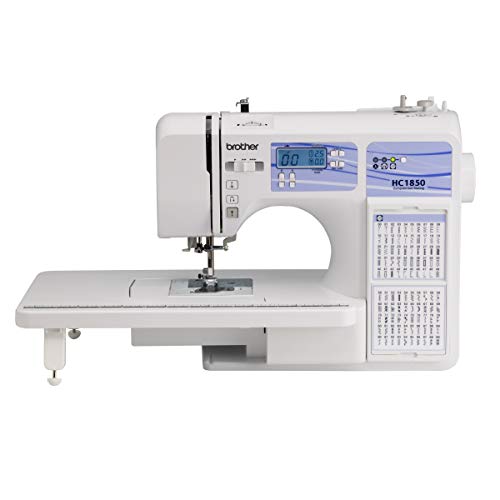
The Brother HC1850 stands out as a versatile powerhouse for both novice and intermediate quilters. You’ll get 185 built-in stitches, including 130 sewing options and 55 alphanumeric stitches for basic monogramming.
The machine’s user-friendly features include an LCD display, advanced needle threading system, and jam-resistant drop-in bobbin. You’ll appreciate the wide table for larger projects and eight presser feet for various quilting tasks. The lightweight design at 10.1 pounds makes it perfect for taking to quilting classes. With free technical support and a 25-year warranty, you’re getting reliable value backed by Brother’s trusted reputation.
Best For: Beginner to intermediate sewists and quilters who want a versatile machine with extensive stitch options and portable design for both home use and classes.
Pros:
- Comprehensive set of 185 built-in stitches including decorative, utility, and alphanumeric options
- User-friendly features including LCD display, advanced needle threading system, and jam-resistant bobbin
- Comes with extensive accessories including wide table and 8 presser feet, backed by 25-year warranty
Cons:
- Only compatible with 120V power systems, limiting international use
- Basic monogramming capabilities may not satisfy advanced users
- Mid-range speed control may not be sufficient for professional-level projects
Factors to Consider When Choosing to Quilt With an Embroidery Machine
When selecting an embroidery machine for quilting, you’ll need to evaluate several key features that directly impact your project success. You should check the machine’s physical dimensions to guarantee it fits your workspace, examine the variety of built-in designs and hoop size options, and verify software compatibility with your existing programs or preferred design formats. The threading and bobbin system‘s efficiency will also influence your quilting experience, as smoother operations lead to better stitch quality and fewer interruptions.
Machine Size and Space
Selecting an embroidery machine for quilting requires careful consideration of its physical dimensions and space requirements. You’ll need to verify your workspace can accommodate both the machine and your quilting projects comfortably. Larger machines like the POOLIN EOC06 (23 x 27 x 12.5 inches) offer generous embroidery areas of up to 7.9 x 11 inches but demand more dedicated space.
If you’re planning to attend classes or move your machine frequently, consider a lighter option like the Brother HC1850 or XR9550, weighing just 10.1 pounds. These compact models provide good mobility while still offering adequate workspace. Remember that your chosen machine’s dimensions should allow enough room for fabric manipulation and any additional accessories, such as wide tables, that you might need for your quilting projects.
Built-in Design Options
Built-in designs represent an important factor in choosing your embroidery machine for quilting projects. When you’re selecting a machine, look for one with a diverse range of pre-loaded patterns and font styles, similar to the POOLIN EOC06’s 200 patterns and 8 fonts. This variety will give you more creative freedom without requiring additional pattern purchases.
Consider machines that offer multilingual design options, as they’ll provide better accessibility and user experience. For beginners, having numerous built-in designs lets you experiment with different quilting styles and techniques right away. You’ll also want to check the machine’s file format compatibility to guarantee you can easily transfer and use designs across different devices. This feature becomes significant as your quilting skills advance and you need to share or modify patterns.
Hoop Size Requirements
The right hoop size stands as a crucial factor in your embroidery machine‘s quilting capabilities. You’ll need to take into account both your project’s scale and the machine’s maximum embroidery area, with common dimensions like 7.9×11 inches enabling larger design elements.
When selecting your machine, look for one that accepts multiple hoop sizes. Standard options like 5.5×5.5 inch hoops work well for intricate details, while 8×8 inch hoops offer more space for broader patterns. If you’re planning edge-to-edge quilting, you’ll want a machine that accommodates larger hoops for continuous designs.
Having various hoop sizes at your disposal lets you adapt to different quilting techniques and pattern requirements. You can switch between smaller hoops for precise details and larger ones for expansive motifs, maximizing your creative potential.
Software Compatibility Features
Along with choosing the right hoop size, software compatibility plays a key role in your quilting success. You’ll need to verify your embroidery machine supports common file formats like DST and DSB for smooth design transfers.
When selecting your machine, look for one that either comes with bundled software or offers compatibility with popular embroidery design programs. This will let you edit and digitize designs efficiently. Some machines feature built-in software capabilities, allowing you to modify designs directly on the machine’s display – a valuable feature for quick adjustments.
For maximum creative freedom, you’ll want access to design software that enables custom pattern creation. This way, you can develop original quilt designs and modify existing ones to match your vision perfectly.
Threading and Bobbin System
Successful quilting projects depend heavily on a machine’s threading and bobbin system capabilities. You’ll want to look for a drop-in top bobbin system that resists jams and makes threading straightforward, allowing you to focus on your creative work rather than fixing thread issues.
Modern embroidery machines often include an automatic needle threader, which will save you significant time during setup. It’s vital to understand your machine’s threading path, as incorrect threading can result in poor stitch quality and broken threads. When working with bobbins, make sure they’re wound evenly and not overfilled to maintain proper tension. You’ll typically receive multiple bobbins and threads with your machine, giving you the opportunity to practice and experiment with different colors while mastering the threading system.
Price Vs Quality Balance
When investing in an embroidery machine for quilting, you’ll need to carefully weigh price against quality to find the sweet spot for your needs. While you’ll find machines priced over $500 offering superior stitch quality and larger embroidery areas, entry-level options can still produce decent results.
Look for machines with customer ratings above 4.5 stars, as these typically indicate reliable performance and durability. Remember to factor in the cost of accessories and maintenance when calculating your budget. Though cheaper machines might seem attractive initially, their limited built-in designs and lower stitch quality could impact your quilting projects’ final appearance. Consider how often you’ll use the machine and what features matter most to you before making your investment decision.