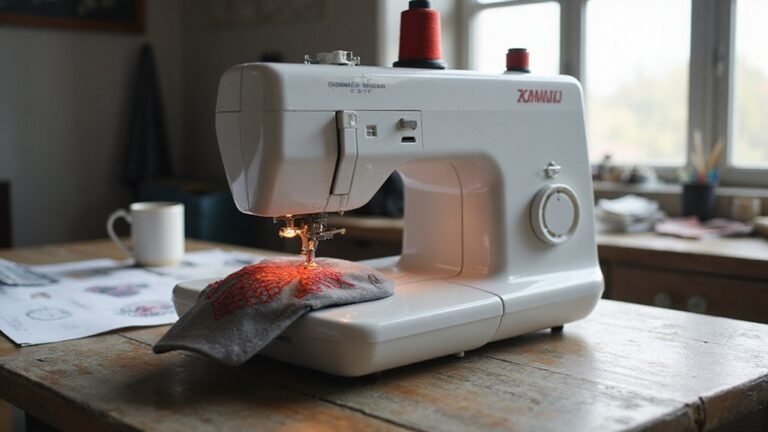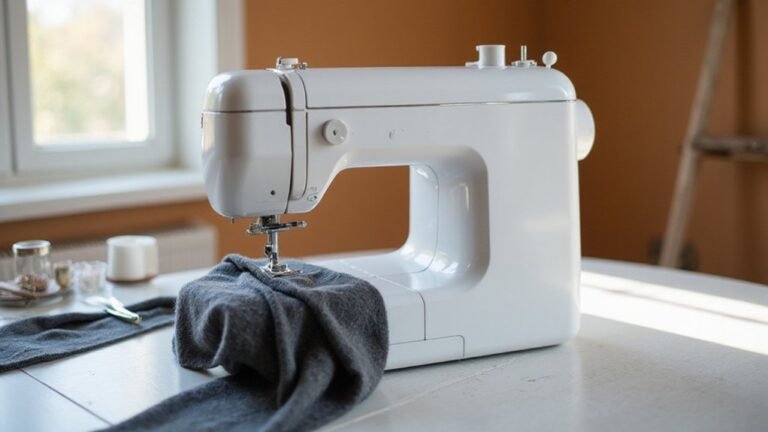
You know that sinking feeling when your needle fights back instead of gliding through thick felt? It doesn’t have to be that way. Let’s look at four machines built to conquer that dense fabric, from a compact handheld model to the versatile Brother XM2701.
| Handheld Sewing Machine with Sewing Kits |  | Most Portable | Product Type: Compact handheld sewing machine | Dimensions (L x W x H): 4 x 5 x 6 inches | Weight: Not specified | VIEW LATEST PRICE | Read Our Analysis |
| Handheld Sewing Machine with 110-Piece Kit | Best Value Kit | Product Type: Heavy-duty handheld sewing machine | Dimensions (L x W x H): 5.9 x 9.8 x 4.3 inches | Weight: Approximately 2 pounds | VIEW LATEST PRICE | Read Our Analysis | |
| KPCB Tech Sewing Machine for Beginners Full Set | 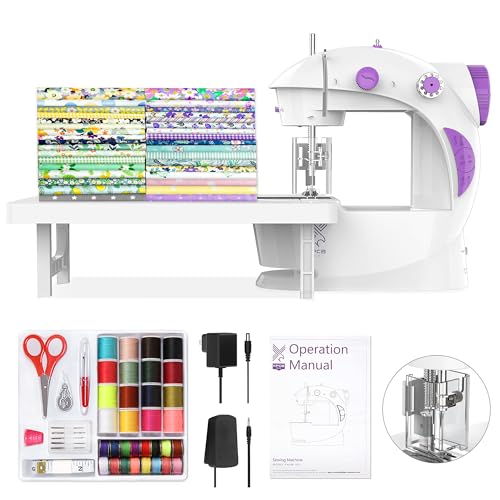 | Best for Beginners | Product Type: Full-set beginner sewing machine (tabletop) | Dimensions (L x W x H): 9.84 x 8.66 x 7.09 inches | Weight: 2.97 pounds | VIEW LATEST PRICE | Read Our Analysis |
| Brother XM2701 Sewing Machine 27 Stitches |  | Best Overall | Product Type: Full-featured tabletop sewing machine | Dimensions (L x W x H): 5.9 x 12.1 x 15.3 inches | Weight: 12.6 pounds | VIEW LATEST PRICE | Read Our Analysis |
More Details on Our Top Picks
Handheld Sewing Machine with Sewing Kits
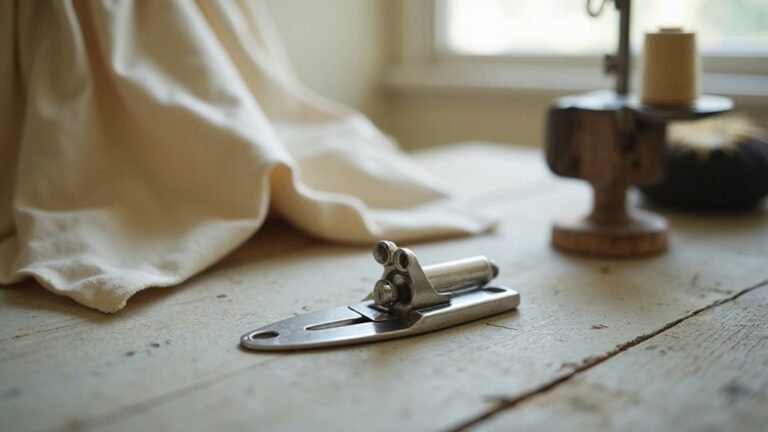
If you need the most portable option, the Handheld Sewing Machine with Sewing Kits is your best bet. It’s compact, travel-sized, and fits in your palm, making it perfect for quick fixes on sofas or during trips. You’ll handle fabrics up to 1.8mm thick, from silk to jeans and leather. The upgraded tech delivers higher power with lower noise, and you operate it one-handed for easy control. No bottom thread is needed, just a single thread for slender, stable stitches. You get sewing kits included, so you’re ready for immediate repairs. It’s a solid choice for beginners and pros alike.
- Product Type:Compact handheld sewing machine
- Dimensions (L x W x H):4 x 5 x 6 inches
- Weight:Not specified
- Power Source:Not specified (likely battery/USB)
- Included Accessories:Sewing kits (basic)
- Suitable For (Skill Level):Beginners and professionals
- Additional Feature:Single-thread operation only
- Additional Feature:Sews fabrics up to 1.8mm
- Additional Feature:Orange color variant
Handheld Sewing Machine with 110-Piece Kit
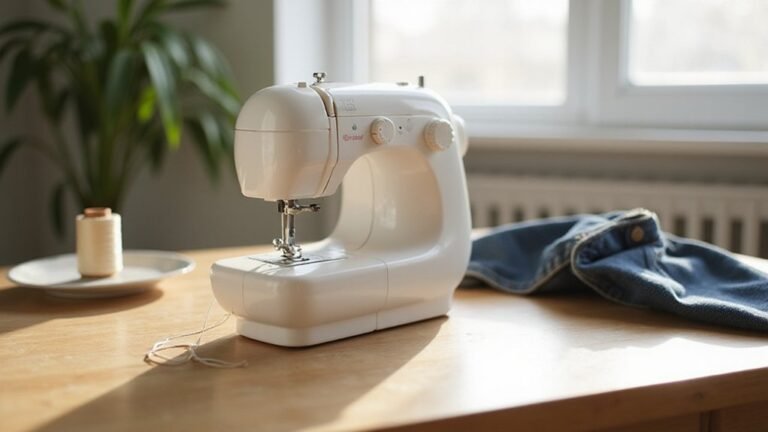
The Handheld Sewing Machine with 110-Piece Kit is your ticket to instant repairs without dragging out a full-size model. You get upgraded power for quieter operation and tighter stitching on denim, pet clothes, or household items. It’s compact and space saving, but still heavy duty. You’ll power it with four AA batteries for on the go repairs, or plug in the USB cable indoors. And the 110 piece kit keeps everything organized in a blue leather case. You’ll find 22 thread spools, 12 metal bobbins, 30 needles, 26 buttons, and more. Quick fixes never felt this complete.
- Product Type:Heavy-duty handheld sewing machine
- Dimensions (L x W x H):5.9 x 9.8 x 4.3 inches
- Weight:Approximately 2 pounds
- Power Source:4 AA batteries or USB cable
- Included Accessories:110-piece kit (scissors, threads, bobbins, needles, buttons, etc.)
- Suitable For (Skill Level):Adults, beginners, sewing enthusiasts, children to professionals
- Additional Feature:Blue leather storage case
- Additional Feature:Dual power (battery/USB)
- Additional Feature:110-piece comprehensive kit
KPCB Tech Sewing Machine for Beginners Full Set
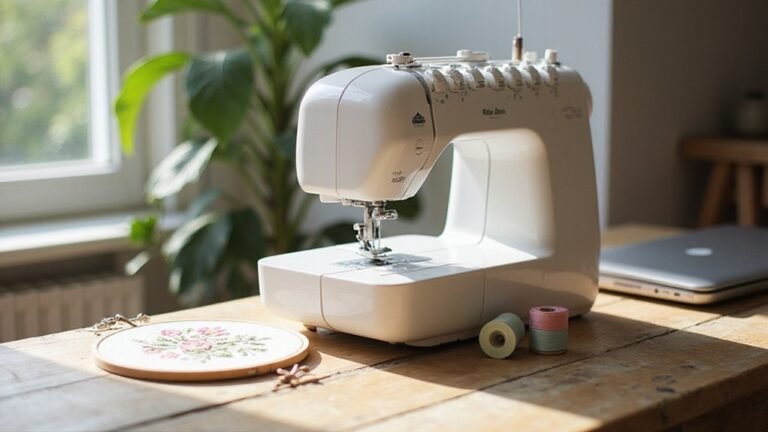
Your first sewing machine should feel like a supportive guide, not a complicated puzzle. That’s exactly what the KPCB Tech Beginners Full Set delivers. It weighs just under 3 pounds, so you can easily move it around your small workspace. You get 20 cotton squares (8×8 inches) to practice on right away, plus tutorial videos that update constantly. The finger guard and adjustable speed settings keep things safe and manageable, especially if you’re a kid sewing with adult supervision. You’ll stitch through up to 5 layers without manual knotting. No reverse stitch here, but the neat results and included tools (bobbins, scissors, measuring tape) make it a solid, affordable starter.
- Product Type:Full-set beginner sewing machine (tabletop)
- Dimensions (L x W x H):9.84 x 8.66 x 7.09 inches
- Weight:2.97 pounds
- Power Source:US adapter (AC power)
- Included Accessories:20 fabric squares, bobbins, scissors, tape measure, thimble, needles, extension table, foot pedal
- Suitable For (Skill Level):Beginners, kids (with adult supervision)
- Additional Feature:Includes 20 fabric squares
- Additional Feature:Adjustable stitching speeds (2 modes)
- Additional Feature:Finger guard safety feature
Brother XM2701 Sewing Machine 27 Stitches
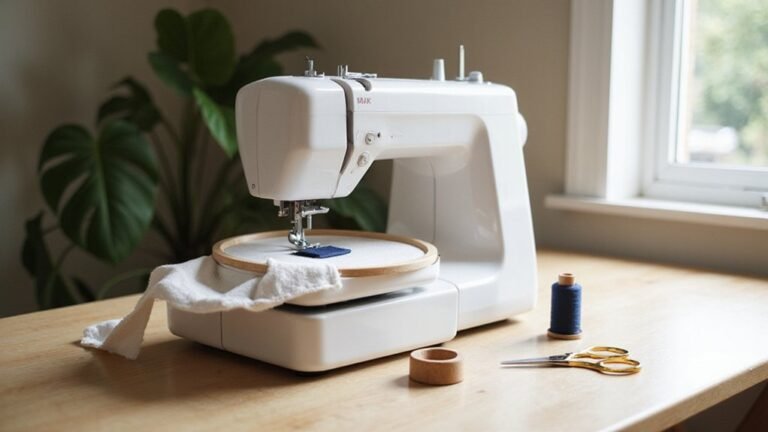
You’re looking for a machine that sews felt without fuss, and the Brother XM2701 delivers across the board. With 27 built-in stitches—including decorative, blind hem, and stretch—you get exactly the right stitch for every felt project. The automatic needle threader and jam-resistant drop-in top bobbin save you time.
- Six included feet: buttonhole, zipper, zigzag, narrow hemmer, blind stitch, and button sewing.
- Free arm makes cuff and sleeve work a breeze.
- Backed by a 25-year limited warranty and lifetime technical support.
Lightweight at just 12.6 pounds, it’s easy to move between projects. And with a 4.6-star rating from thousands of users, you can trust this machine handles felt like a dream.
- Product Type:Full-featured tabletop sewing machine
- Dimensions (L x W x H):5.9 x 12.1 x 15.3 inches
- Weight:12.6 pounds
- Power Source:AC power (standard plug)
- Included Accessories:6 sewing feet, needle set, twin needle, 4 bobbins, instructional DVD, manual
- Suitable For (Skill Level):Beginners to advanced users
- Additional Feature:27 built-in stitch options
- Additional Feature:Jam-resistant drop-in bobbin
- Additional Feature:Automatic needle threader
Factors to Consider When Choosing a Sewing Machine for Felt
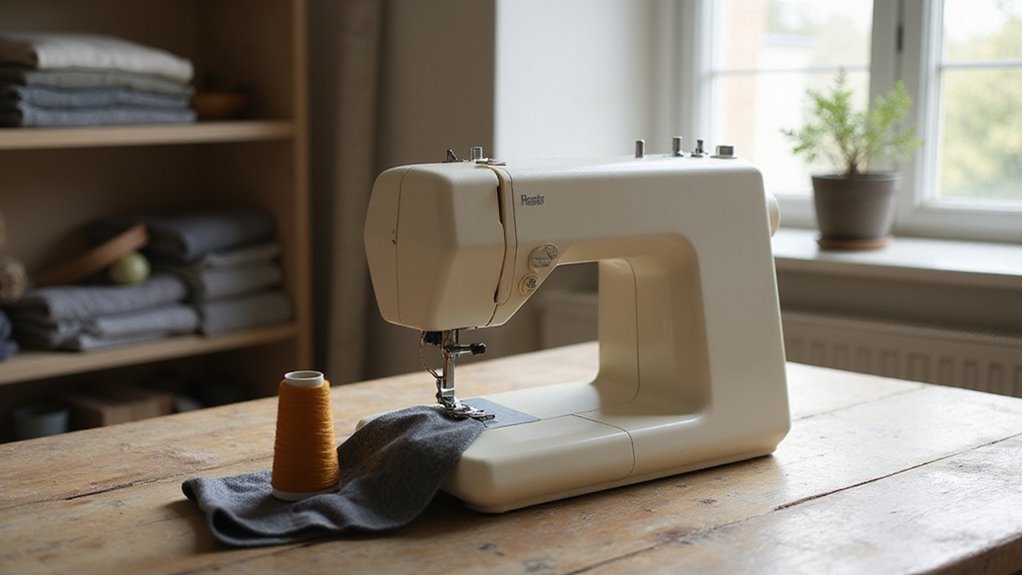
When you’re sewing felt, you need a machine that can punch through thick layers without jamming. Look for strong fabric thickness tolerance and versatile stitch types, like a reinforced straight or zigzag, to handle dense edges. Plus, make sure easy threading and needle compatibility for quick adjustments, while balancing portability with power depending on your workspace.
Fabric Thickness Tolerance
One key factor you’ll want to zero in on is fabric thickness tolerance. You need a machine that handles at least 1.8mm of felt, especially for multiple layers or dense sheets. Heavy duty or industrial models typically offer higher tolerance than standard portables, so check specs carefully. A machine with adjustable stitch height lets you sew through thick felt without damaging the needle or fabric. And don’t forget the needle type: a universal or heavy duty needle can make or break your project. To avoid skipped stitches or jamming, confirm your machine’s maximum sewing thickness before committing. That way, you’ll breeze through felt without wrestling with your setup!
Stitch Type Versatility
Straight stitch alone won’t cut it once you start layering felt for appliqués, plush toys, or decorative hoops. You need a machine that throws a wide net of stitch types, from basic zigzag for clean seam finishes to decorative stitches that add personality. Look for adjustable stitch length and width, so you can tighten up a satin stitch for a smooth edge or widen a zigzag for a secure, durable join. Triple or reinforced stitches are your best friend for thick, multiple felt layers, preventing seam blowouts. Machines with automatic, easy to select stitch features let you switch between a straight and a decorative stitch mid project without fumbling. Programmable patterns open up creative variations, perfect for felt crafts. That versatility turns a simple stitch into a design tool.
Needle Compatibility
Since felt’s dense, fibrous nature can dull or bend a lightweight needle in no time, you’ll want a machine that supports standard sizes 75/11 through 90/14 right out of the box. That’s your baseline, nothing exotic required.
But don’t stop there. Check that the machine uses a standard shank needle, not a specialized locking system that traps you later. You’ll also want to confirm it accepts universal, sharp, and quilting needles, since each behaves differently on felt’s surface. Universal works for basic layers, while a sharp glides through tight felt with less drag.
Quick checklist for needle compatibility:
- Maximum needle size: make sure it handles at least a 90/14 for thick, multi-layer felt.
- Brand flexibility: look for machines that accept common brands like Schmetz or Organ without adapters.
- Easy replacement mechanism: a simple presser-foot lift and thumb screw saves you time when swapping between dense and fine fabrics.
Portability vs. Power
When you’re weighing portability against power for felt projects, you’re really deciding where on the spectrum of trade-offs you’re happiest living. A portable machine is your lightweight, compact buddy for travel or quick fixes. Look for cordless operation and a small footprint. But power matters more if you’re sewing dense felt layers. Heavier, sturdier machines deliver the motor strength you need. So ask yourself: are you hauling it to classes or stitching thick stacks at home?
- For portability: prioritize simple controls and a tiny case.
- For power: want a machine with higher torque and a solid base.
You can’t have both extremes. Instead, match your choice to your specific tasks. A frequent mover picks portability; a denser felt fan needs power. Balance them by evaluating your fabric thickness and how often you relocate. That’s the sweet spot for your felt work.
Ease of Threading
Because felt’s dense fibers demand precision, threading your machine shouldn’t be a battle. You need a model with an automatic needle threader; it saves time and preserves your eyesight. Look for clear, accessible threading pathways so you never struggle to find the correct path. Drop-in top bobbins with color-coded or transparent covers simplify the process and reduce errors. A front-loading or open-arm configuration gives you easy access, which is a lifesaver for beginners. Proper tension settings and guides within the threading mechanism ensure smooth stitching without constant fiddling. Don’t settle for a machine that makes you wrestle with the thread. Choose one that guides you from spool to needle effortlessly, so you can focus on sewing, not swearing.
Speed Control Options
Felt’s thick, fuzzy surface won’t tolerate a machine that surges forward the second you tap the pedal. You need precise control. Look for an adjustable speed dial or an electronic speed regulator. These let you lock in a steady, slow pace, so you won’t get puckering or uneven stitches. Variable speed settings are your best friend here.
Want hands free adjustment? A responsive foot pedal gives you that. You can change speed on the fly without lifting your hands from the fabric. That’s vital for intricate felt crafts.
Also, consider stitch regulation features. They automatically adjust speed based on the felt’s thickness. It’s a smart helper for small, detailed projects. Consistent speed doesn’t just improve accuracy; it makes the whole process safer. No more sudden lurches when you’re stitching a delicate felt flower! Just smooth, steady progress.
Safety Features for Beginners
Those speed control options we just talked about don’t just give you better stitches—they’re a key safety net for beginners working with felt. Beyond that, look for a finger guard to block accidental needle contact. An automatic needle threader also cuts down on pricking your fingers, which is a real relief. You’ll want an enclosed sewing area, too, as it keeps moving parts out of reach. And clear stitch controls prevent frustrating jams that can damage your machine or your project.
For a safer experience:
- Prioritize a machine with a finger guard.
- Choose one with adjustable speed settings.
- Look for an automatic needle threader.
- Confirm the sewing area is covered or enclosed.
These features let you focus on your felt project without worrying about mishaps.